
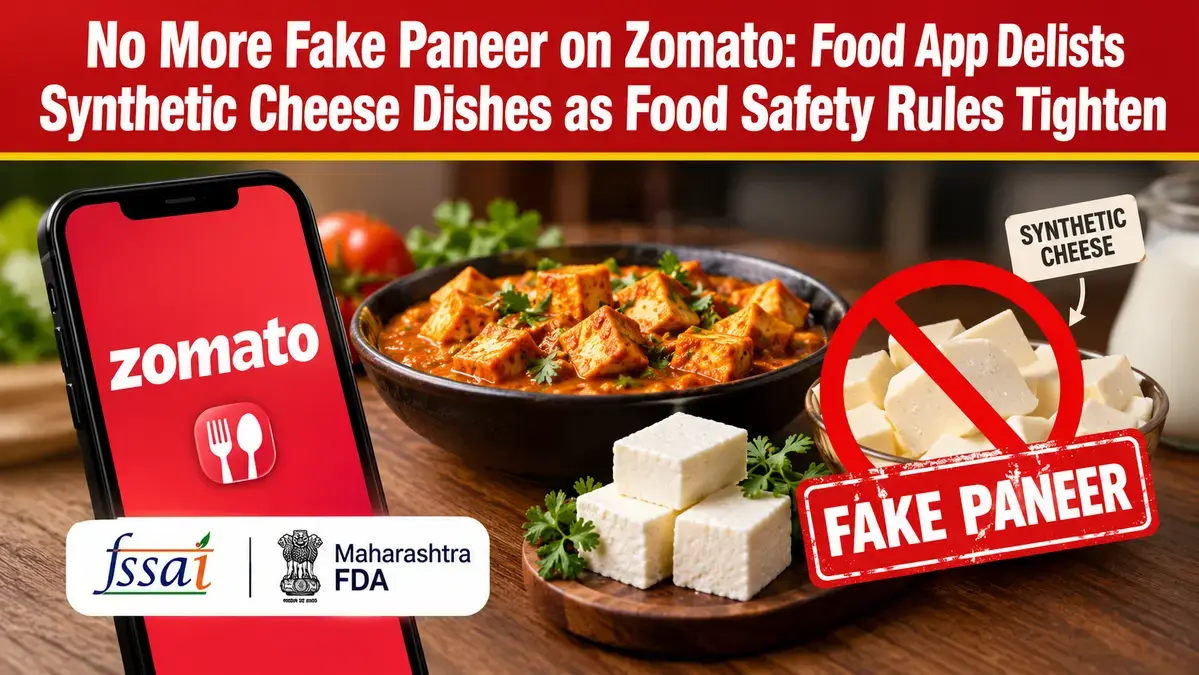

Zomato has implemented a nationwide zero-tolerance policy banning dishes prepared with analogue dairy substitutes like synthetic paneer and imitation cheese, delisting non-compliant items and warning restaurants of permanent removal amid intensified FSSAI and FDA regulatory scrutiny.
- Zomato has delisted all menu items declared with analogue dairy substitutes across India.
- Restaurants must switch to 100% natural dairy or face permanent platform removal.
- Analogue dairy replaces milk fat with palm oil, hydrogenated fats, and synthetic additives.
- The crackdown follows Maharashtra FDA's one-year ban on artificial analogue paneer.
- FSSAI reiterated that misrepresenting analogue products as real dairy violates the FSS Act.
New Delhi: In a decisive move to uphold food integrity and protect consumer health, food delivery giant Zomato has enforced a strict zero-tolerance policy against the sale of food preparations containing analogue dairy products across India. Under this directive, the company has immediately disabled and delisted all dishes declared by restaurant partners as containing imitation cheese, synthetic paneer, or hydrogenated vegetable-fat substitutes. Eateries failing to switch to genuine milk-derived dairy products risk permanent delisting from the platform. For in-depth analysis on food industry regulations, consumer rights, and corporate governance, visit our business and policy desk.
What Are Analogue Dairy Products and Why Is There a Crackdown?
Analogue dairy products are non-dairy formulations where authentic milk fat and natural dairy proteins are substituted with cheaper alternatives such as palm oil, hydrogenated vegetable fats, starches, plant proteins, and synthetic emulsifiers.
- Deceptive Marketing: While regulatory statutes permit the sale of analogue products when explicitly labeled as non-dairy or plant-based substitutes, numerous commercial eateries and cloud kitchens have covertly substituted them in conventional dishes without menu disclosures to minimize operational costs.
- Public Health Concerns: Frequent dietary intake of hydrogenated fats and artificial additives present in imitation dairy is associated with adverse cardiovascular risks, elevated LDL cholesterol, and metabolic disruptions.
Key Directives Issued to Restaurant Partners
Zomato has instructed its vast network of restaurant partners to initiate immediate compliance measures:
- Immediate Dish Delisting: Items identified with analogue ingredients—such as pizzas prepared with analogue cheese or curries utilizing analogue paneer—have been pulled from active ordering menus.
- Mandatory Supply Chain Review: Kitchen operators are required to audit procurement manifests and vendor packaging to ensure that only 100% natural milk-derived dairy is utilized.
- Strict Commercial Penalties: Establishments that fail to transition or provide false declarations will face permanent removal from the aggregator, alongside liability for damages resulting from statutory non-compliance.
Backed by FSSAI Directives & Maharashtra FDA Prohibitions
Zomato’s policy alignment follows heightened regulatory enforcement across the country. The Food Safety and Standards Authority of India (FSSAI) recently clarified that serving or marketing analogue preparations under the guise of conventional 'paneer' or 'cheese' constitutes a severe breach of the Food Safety and Standards Act, 2006.
The issue gained national attention after the Maharashtra Food and Drug Administration (FDA) instituted a comprehensive one-year ban on the manufacture, storage, and commercial sale of analogue paneer across the state. State surveillance revealed that over 35.4% of tested paneer samples failed prescribed safety standards due to adulteration with industrial vegetable oils.
Impact on Cloud Kitchens and Consumer Transparency
The enforcement is expected to reshape sourcing protocols across budget eateries and high-volume cloud kitchens that previously leveraged cheap analogue blocks to maintain margins. By mandating total transparency and genuine ingredient usage, the platform aims to restore consumer trust and set higher accountability standards across the digital food ecosystem.
Frequently Asked Questions
Ketan
adminPassionate journalist and digital news editor committed to delivering accurate, timely, and fact-checked news.
Related Articles


Latest Articles

PM Modi Meets Putin and Pezeshkian at Bishkek SCO...
Aug 31, 2026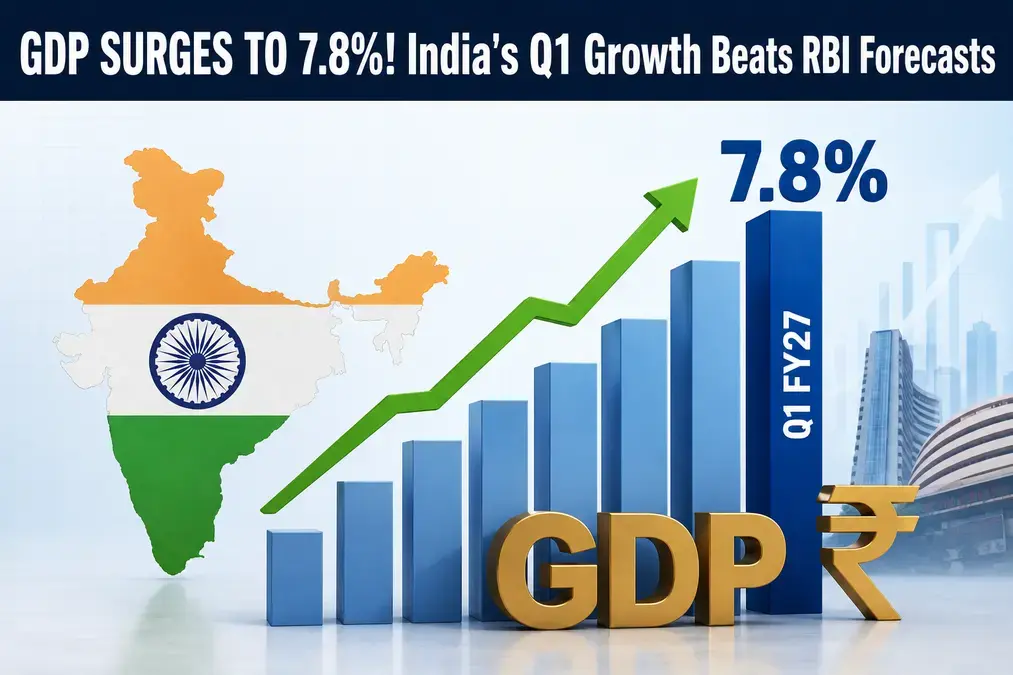
India Q1 GDP FY27 Surges to 7.8% Driven by Capex R...
Aug 31, 2026
Nepal Flood Death Toll Crosses 900; Over 4,200 Mis...
Aug 31, 2026
PM Modi Conferred Uzbekistan's Highest Honour 'Ord...
Aug 30, 2026
Comments (0)
Leave a Comment
No comments yet. Be the first to comment!