
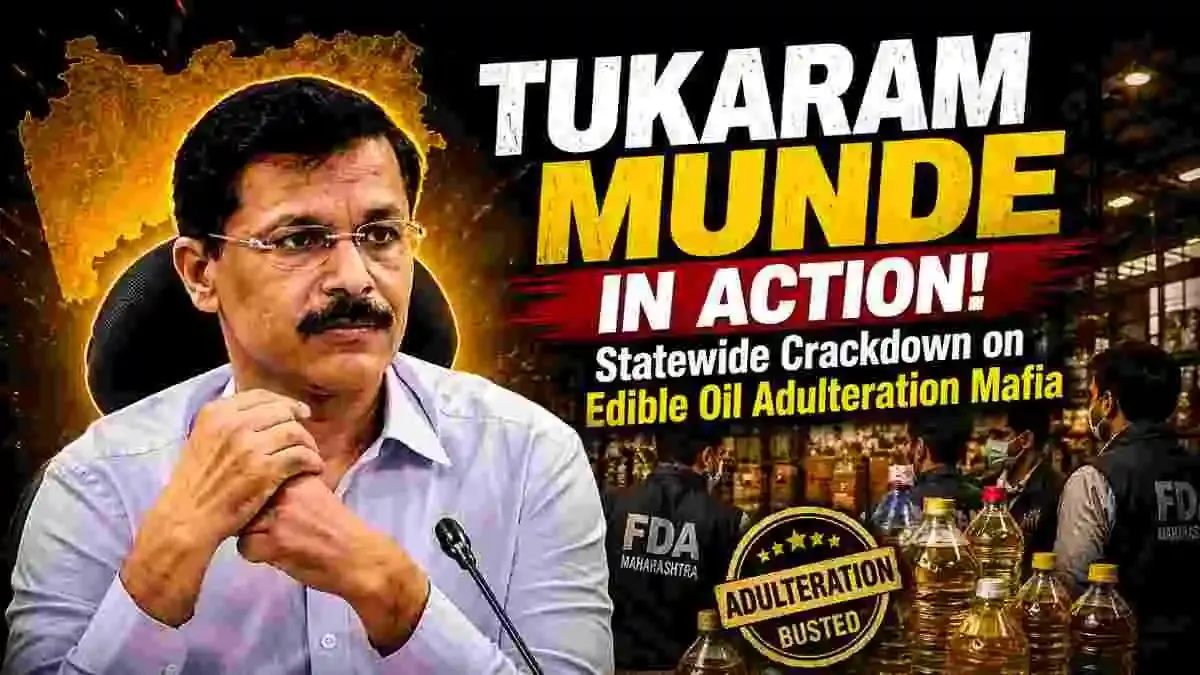

Maharashtra Food Safety Commissioner Tukaram Munde has launched a statewide crackdown on the edible oil industry, prohibiting loose oil distribution, capping frying oil TPC levels at 25%, and warning violators of severe penal action under the Food Safety and Standards Act.
- Maharashtra FDA Commissioner Tukaram Munde announced a statewide crackdown on the edible oil sector.
- The sale of loose, unsealed cooking oil is strictly banned across wholesale and retail channels.
- Commercial kitchens must discard cooking oil once Total Polar Compound (TPC) levels exceed 25%.
- Violators face prosecution, substantial monetary penalties, and imprisonment under the Food Safety and Standards Act.
Mumbai: In a decisive regulatory intervention aimed at safeguarding public health, the Food and Drug Administration (FDA) of Maharashtra, spearheaded by Food Safety Commissioner IAS Tukaram Munde, has announced a comprehensive, zero-tolerance enforcement drive targeting the edible oil industry across the state. Addressing a high-level press conference under the state’s broader 'Surakshit Bhojan, Surakshit Maharashtra' campaign, the commissioner highlighted widespread structural violations, adulteration rackets, and hazardous logistics chains that endanger consumer welfare. Readers seeking verified policy updates can explore our national news portal for live reporting.
Systemic Violations and Hazardous Practices Uncovered
The FDA's statewide investigation exposed critical non-compliance patterns across the entire supply chain—from oil refiners and repackagers to commercial eateries. Major violations uncovered include:
- Operating Without Mandatory Licensing: Numerous food business operators (FBOs) and repackaging units were found running without statutory FSSAI registrations or valid FDA licenses.
- Severe Chemical Adulteration: Widespread blending of unauthorized, low-grade mineral and synthetic oils into edible grades. Several collected samples failed mandatory food safety benchmarks regarding acid value thresholds and permissible trans-fat limits.
- Contaminated Packaging and Drum Reuse: Widespread use of non-food-grade containers, including rusted metal drums and barrels previously designated for industrial chemicals. Inspectors also detected packaging fraud, where nearly expired oils were repackaged with forged batch dates.
- Toxic Cross-Contamination in Transit: Instances of bulk edible oils transported in road tankers previously used for toxic chemicals and non-edible mineral oils without certified decontamination.
Mandatory Directives and Total Polar Compound (TPC) Rules
Commissioner Tukaram Munde outlined a strict charter of non-negotiable compliance rules binding all manufacturers, distributors, bulk suppliers, and quick-commerce retail platforms:
- Complete Prohibition of Loose Oil: The sale of loose, unpackaged, or unsealed edible oil is strictly outlawed across Maharashtra. All oils must be distributed exclusively in sealed, tamper-evident, food-grade consumer packaging.
- Traceability and Mandatory Labeling: Packaging must clearly display manufacturing batch codes, nutritional composition, origin declarations, and Agmark certification standards.
- Commercial Frying Thresholds (TPC Limits): Restaurants, street vendors, and commercial kitchens are strictly prohibited from reusing cooking oil once Total Polar Compounds (TPC) exceed 25%. Depleted oil must be discarded through certified industrial biodiesel aggregators and barred from re-entering the edible supply chain.
Legal Ramifications and Consumer Vigilance
The regulatory authority warned that violators face criminal prosecution under the Food Safety and Standards Act, 2006, attracting heavy financial penalties, permanent revocation of business licenses, and rigorous imprisonment for repeat offenders. Citizens have been urged to avoid unpackaged loose oils and report suspicious adulteration activities through the state grievance portal or dedicated toll-free helpline numbers.
Frequently Asked Questions
Ketan
adminPassionate journalist and digital news editor committed to delivering accurate, timely, and fact-checked news.
Related Articles

Latest Articles
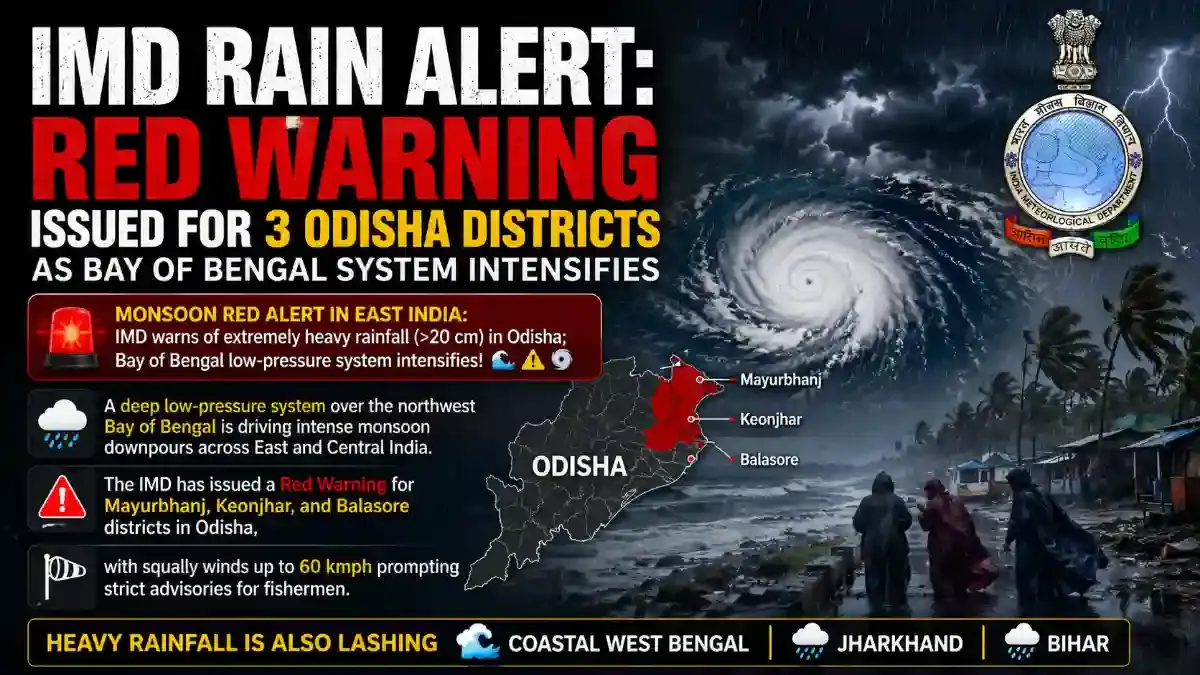
IMD East India Heavy Rain Alert: Red Warning in Od...
Aug 30, 2026
Bihar Reservation Row: Chirag & Manjhi Spar Over C...
Aug 30, 2026
Mohan Bhagwat at MSG: 'Unity in Diversity' & Messa...
Aug 30, 2026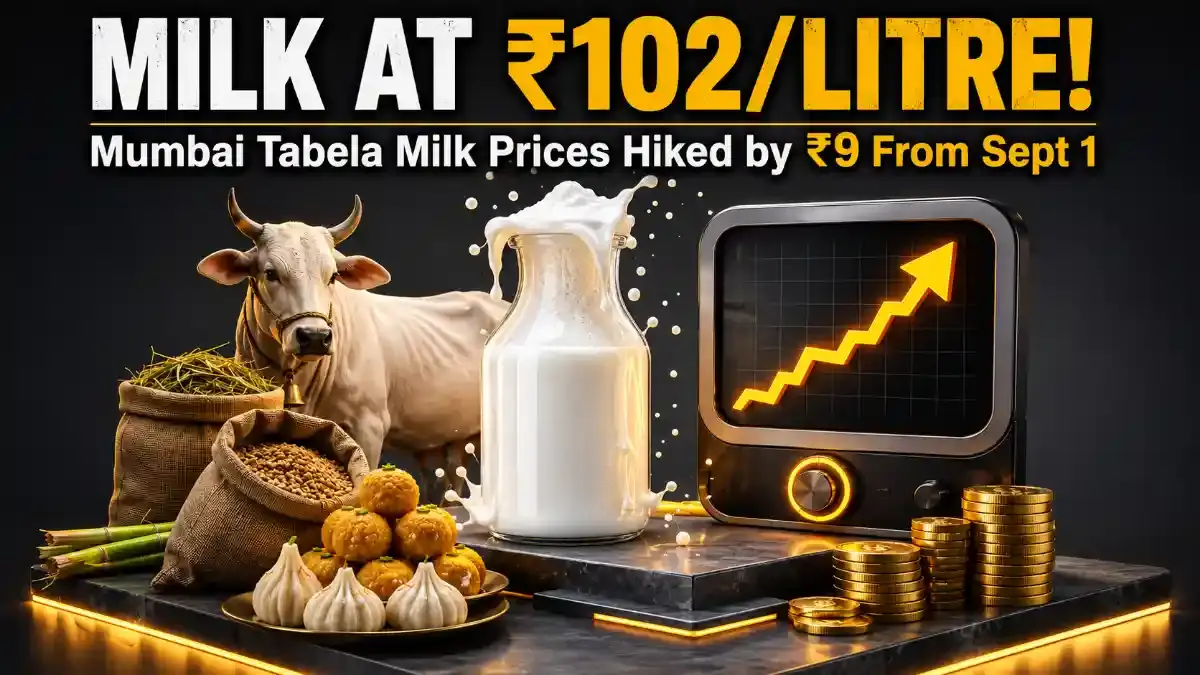
Mumbai Milk Price Hike: Tabela Milk to Cost ₹102/L...
Aug 30, 2026
Comments (0)
Leave a Comment
No comments yet. Be the first to comment!