
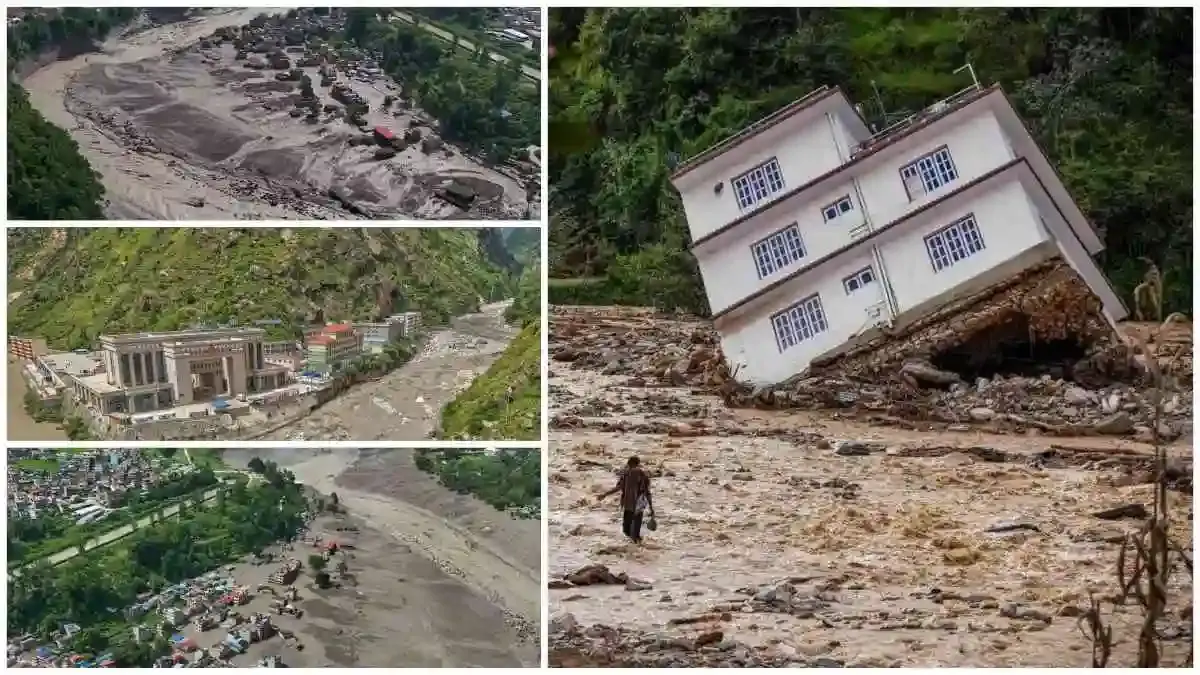

Catastrophic flash floods in Nepal's Bhote Koshi River basin have devastated Rasuwa district, leaving 384 tourists and locals unaccounted for—including 105 Indian nationals. The Nepal government has declared a 3-month crisis zone, deploying military helicopters and establishing emergency consular helplines.
- A massive flash flood in the Bhote Koshi River basin inundated Rasuwa, Nuwakot, and Trishuli corridors in Nepal.
- 384 individuals, including 105 Indian tourists and 37 NRIs, are unaccounted for due to road washouts and communication blackouts.
- The Nepal government declared a 3-month crisis zone across affected northern districts.
- Over 12 rescue helicopters, the Nepal Army, and APF are conducting airlifts to Kathmandu hospitals.
- Active emergency hotlines have been set up by the Nepal Tourism Board and the Indian Embassy.
Kathmandu: In one of the most severe Himalayan disaster events of the year, catastrophic flash floods triggered by a sudden surge in the Bhote Koshi River basin have wreaked havoc across northern Nepal's Rasuwa district bordering Tibet (China). The ferocious torrents surged downstream into Nuwakot, Dhading, and the Trishuli River corridor, washing away major border bridges, arterial trade roads, and remote settlements, while inflicting heavy structural damage on at least six major hydropower installations. The Nepal Tourism Board (NTB) and the National Disaster Risk Reduction and Management Authority (NDRRMA) confirmed that 384 travellers and trekkers—including 105 Indian nationals—are currently out of contact due to collapsed road infrastructure and total telecommunication blackouts. Readers tracking Himalayan disaster updates, international rescue helplines, and crisis management can follow live reports on our international breaking crisis portal.
Breakdown of Missing Trekkers and Trapped Personnel
According to emergency logs compiled by district disaster response cells and consular desks in Kathmandu, the unaccounted individuals across northern trekking corridors include:
- Foreign Nationals (291): 105 Indian citizens, 37 Non-Resident Indians (NRIs), along with trekkers and holidaymakers from the United States, United Kingdom, Australia, Malaysia, South Africa, and the Netherlands.
- Nepali Nationals (93): Registered trekking guides, high-altitude porters, transport operators, and local residents.
- Border Security Forces (41): 32 Nepal Police officers and 9 Armed Police Force (APF) personnel stationed at frontier border outposts in Timure and Syaphrubesi, where post structures were inundated or swept away.
- Hydropower Project Workers: More than 25 technical workers remain trapped inside drainage and headrace tunnels of the Langtang Hydropower project.
Suspected GLOF and Extent of Regional Destruction
Meteorological surveillance teams reported that local weather in lower Rasuwa was largely dry before the river rose precipitously between 8:30 AM and 9:00 AM. Satellite telemetry and cross-border hydrology models indicate the disaster was likely triggered by an upstream Glacial Lake Outburst Flood (GLOF), cloudburst, or a landslide dam breach on the Tibetan side of the frontier.
The worst-affected belts include Timure, Syaphrubesi, Rasuwagadhi, Betrawati, Trishuli, and Devighat. Over 18 kilometres of the vital international highway connecting Syaphrubesi to the Rasuwagadhi border checkpost has been completely obliterated, severing overland logistics and cross-border connectivity.
State of Emergency, Helicopter Air-Evacuation, and Helpline Directory
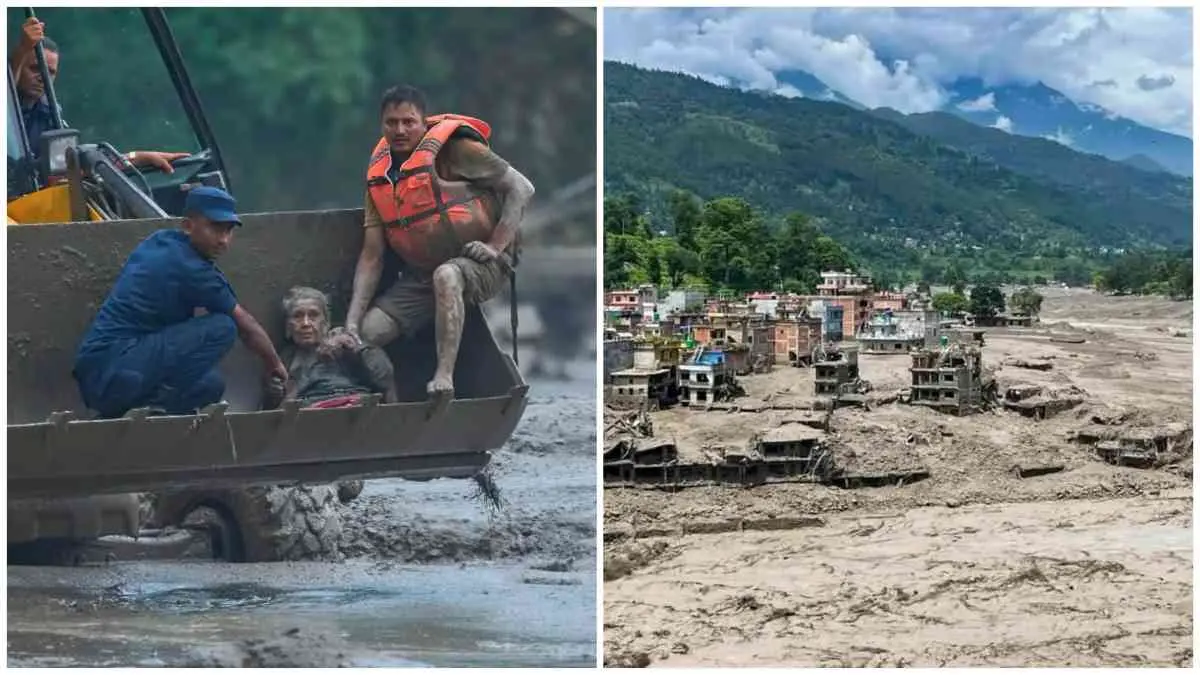
The Government of Nepal has officially designated the affected districts as crisis-hit zones for a three-month period. A coordinated air-and-ground rescue deployment comprising over 12 military and commercial helicopters, units of the Nepal Army, the Armed Police Force, and specialized search-and-rescue teams has mobilized. Dozens of critically injured survivors have been airlifted directly to Tribhuvan University Teaching Hospital in Kathmandu for emergency trauma care.
Emergency contact desks and round-the-clock helplines have been activated for families seeking information on missing travelers:
- Nepal Tourism Board (Toll-Free): 1234
- Nepal Tourist Crisis Hotline: 1144
- Nepal Tourist Police (Direct Mobile): +977 9851289445
- Indian Embassy in Kathmandu Emergency Desks: +977 985 131 6807 / +977 970 910 7500
Frequently Asked Questions
Ketan
adminPassionate journalist and digital news editor committed to delivering accurate, timely, and fact-checked news.
Related Articles
Latest Articles

Trump Renames Lake Ontario to 'Lake America' Amid...
Aug 28, 2026
Maharashtra Grants 1-Year Breather for Auto & Cab...
Aug 28, 2026
Raksha Bandhan 2026 Nationwide Celebrations Trains...
Aug 28, 2026
Chandra Grahan & Raksha Bandhan: Sutak Kaal Rules...
Aug 28, 2026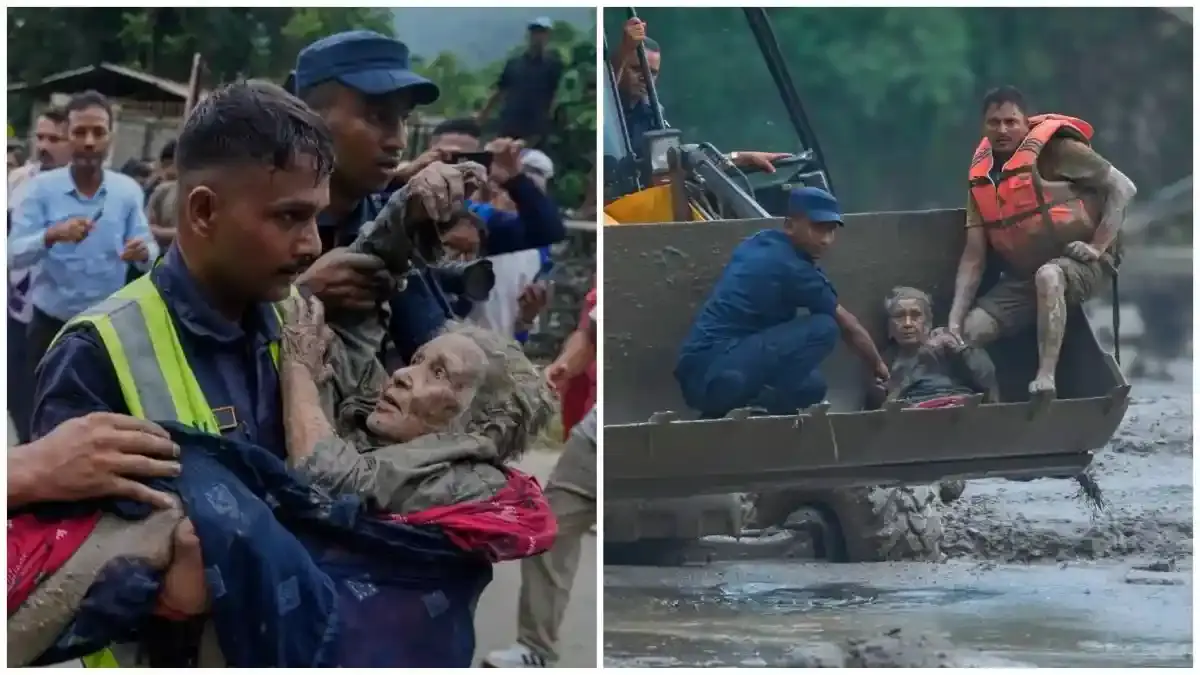
Comments (0)
Leave a Comment
No comments yet. Be the first to comment!