
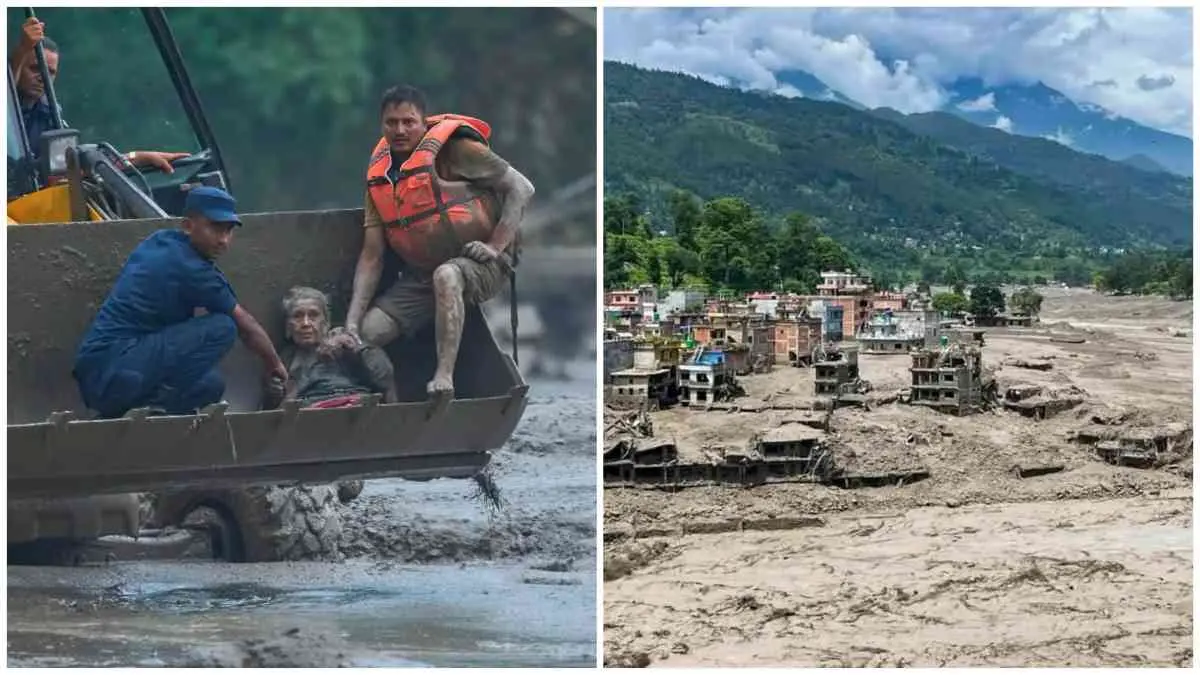

Catastrophic flash floods triggered by an upstream glacial collapse along the Nepal–Tibet border have claimed over 160 lives and left hundreds missing across the Bhote Koshi and Trishuli basins. The disaster caused widespread infrastructure devastation, power blackouts, and downstream evacuations in India, prompting large-scale military airlifts and international emergency aid.
- Over 162 people have been confirmed dead in Nepal following massive flash floods in the Bhote Koshi and Trishuli basins.
- More than 340 foreign nationals, including 133–142 Indian pilgrims and travelers, remain unaccounted for.
- The disaster severed the Nepal-China overland corridor, destroying 18 km of highway and 19 bridges while knocking 430 MW offline.
- Downstream flood alerts have been sounded in Bihar and Uttar Pradesh, prompting evacuations along the Gandak basin.
- The Nepal Army deployed 14 helicopters and 1,100+ personnel for rescue operations, supported by emergency aid from the World Bank.
Kathmandu / New Delhi: In one of the deadliest trans-Himalayan disaster events in recent history, catastrophic flash floods tearing through the Bhote Koshi and Trishuli river basins have claimed over 162 lives in northern Nepal, leaving hundreds of foreign tourists, pilgrims, and local residents unaccounted for. The devastation was set off after a massive ice-and-rock avalanche and glacial collapse struck the upstream Lhende River along the Tibet–Nepal border, creating a temporary dam that breached within minutes and sent a destructive 7-to-9-metre wall of mud, boulders, and water rushing downstream. Readers tracking regional emergencies, cross-border humanitarian operations, and consular helplines can follow real-time developments on our international crisis news desk.
Casualties, Trapped Workers, and Missing Foreign Nationals
The floodwaters devastated settlements, transit camps, and border posts across Rasuwa, Nuwakot, and Dhading districts, with three fatalities also recorded along the Gyirong Port corridor on the Tibetan side. More than 340 foreign nationals remain untraceable amid communication blackouts and severed road networks:
- Indian Citizens & Pilgrims: Between 133 and 142 Indian nationals—many traveling on Kailash-Mansarovar pilgrimage itineraries via regional operators including Samrat Tours, Leaf Holiday, and Himalayan Glacier—are currently unaccounted for.
- International Travelers: Missing foreign tourists include 47 from the United States, 53 from Ukraine, 34 from Australia, 33 from the United Kingdom, 24 from Canada, and 17 from Malaysia.
- Local Nationals and Responders: Over 93 Nepali guides, porters, and drivers, alongside 41 personnel from the Nepal Police and Armed Police Force (APF), remain out of contact. More than 25 workers remain trapped inside the flooded tunnels of local hydropower projects.
Severe Damage to Infrastructure and National Power Grid
The surge inflicted severe damage on northern Nepal's transport and energy backbone:
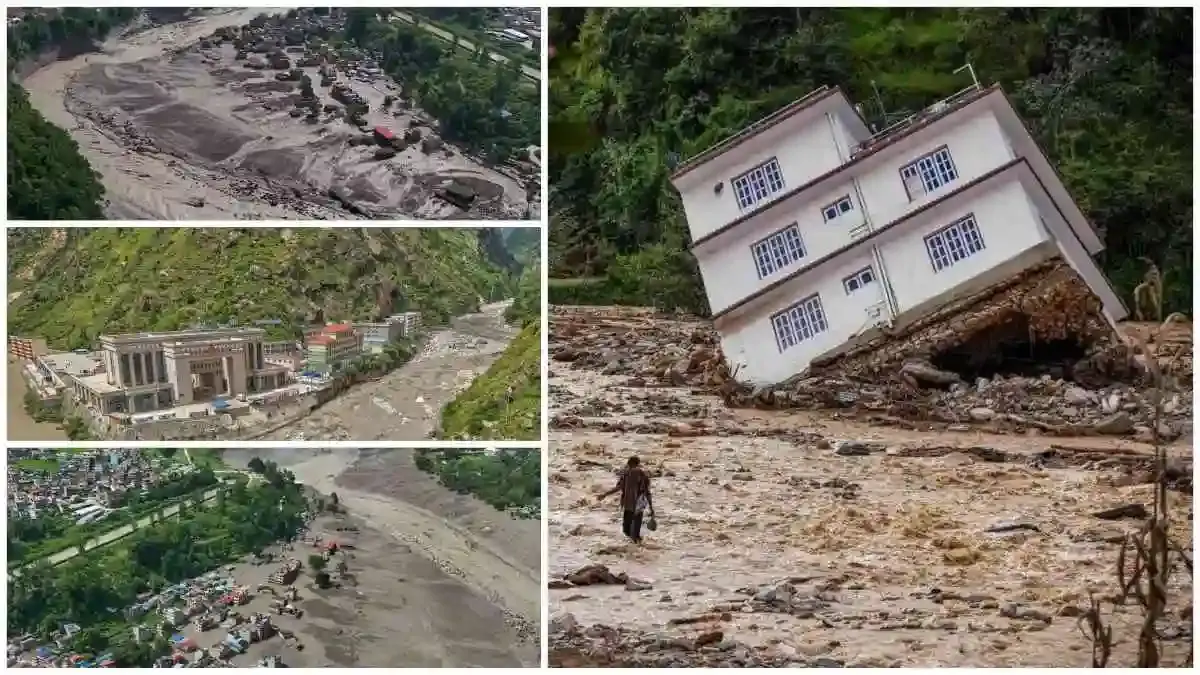
- Severed Border Arteries: The crucial overland commercial corridor between Nepal and China has been cut. An 18-kilometre stretch of highway between Syaphrubesi and Rasuwagadhi, the Rasuwagadhi border customs complex, and at least 19 bridges have been destroyed or washed away.
- Energy Grid Disruptions: At least six major hydropower facilities—including Chilime, Trishuli 3A, and Rasuwagadhi—were submerged, knocking out over 430 MW of generation capacity and triggering widespread regional blackouts.
- Downstream Alerts in India: As the surge drains into major downstream river basins, the Indian states of Bihar and Uttar Pradesh have issued high alerts. Disaster management teams in Bihar have initiated the precautionary evacuation of over 10,000 residents from vulnerable low-lying villages along the Gandak basin.
Rescue Deployments, Foreign Aid, and Emergency Helplines
The Nepal Army, Armed Police Force, and national disaster response teams have deployed 14 helicopters and more than 1,100 personnel to carry out continuous search, evacuation, and airlifting operations. The World Bank has announced an emergency allocation of $163.88 million (NRs 25 billion) for rapid reconstruction, while United Nations disaster teams and international specialists have mobilized ground logistics.
The following emergency contact desks remain active round the clock for families seeking information on stranded travelers:
- Nepal Tourism Board (Toll-Free): 1234
- Nepal Tourist Crisis Hotline: 1144
- Nepal Tourist Police: +977 9851289445
- Indian Embassy Emergency Helplines (Kathmandu): +977 985 131 6807 / +977 970 910 7500
Frequently Asked Questions
Ketan
adminPassionate journalist and digital news editor committed to delivering accurate, timely, and fact-checked news.
Related Articles

Latest Articles

Trump Renames Lake Ontario to 'Lake America' Amid...
Aug 28, 2026
Maharashtra Grants 1-Year Breather for Auto & Cab...
Aug 28, 2026
Raksha Bandhan 2026 Nationwide Celebrations Trains...
Aug 28, 2026
Chandra Grahan & Raksha Bandhan: Sutak Kaal Rules...
Aug 28, 2026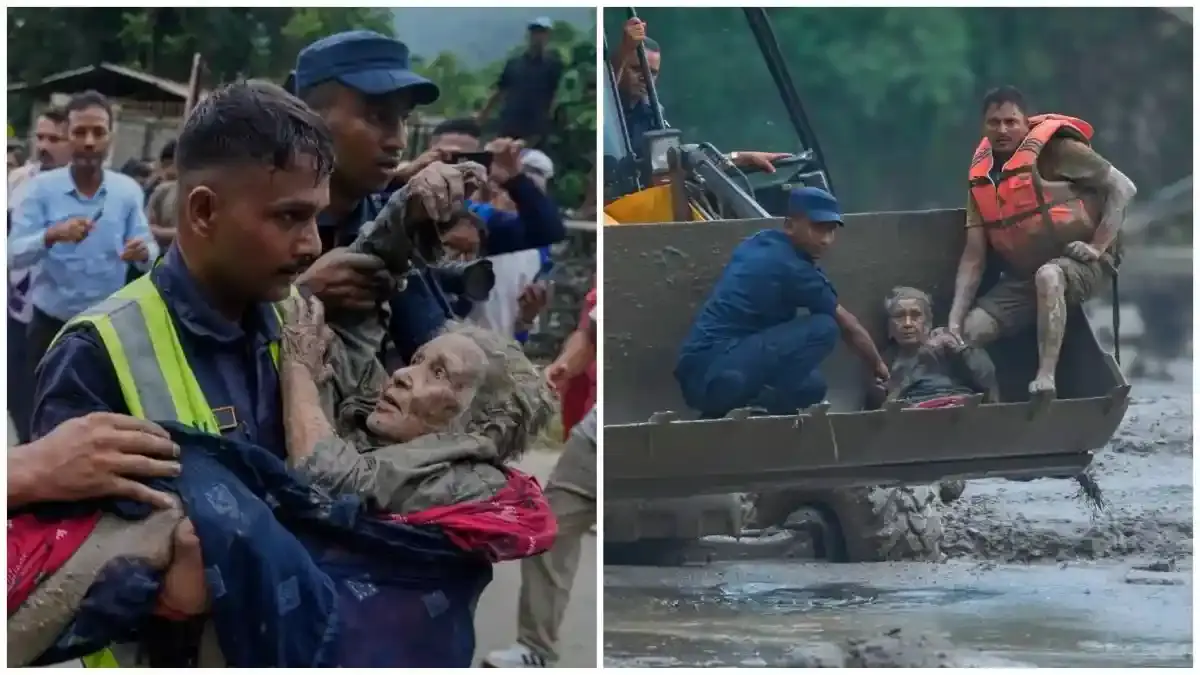
Comments (0)
Leave a Comment
No comments yet. Be the first to comment!