
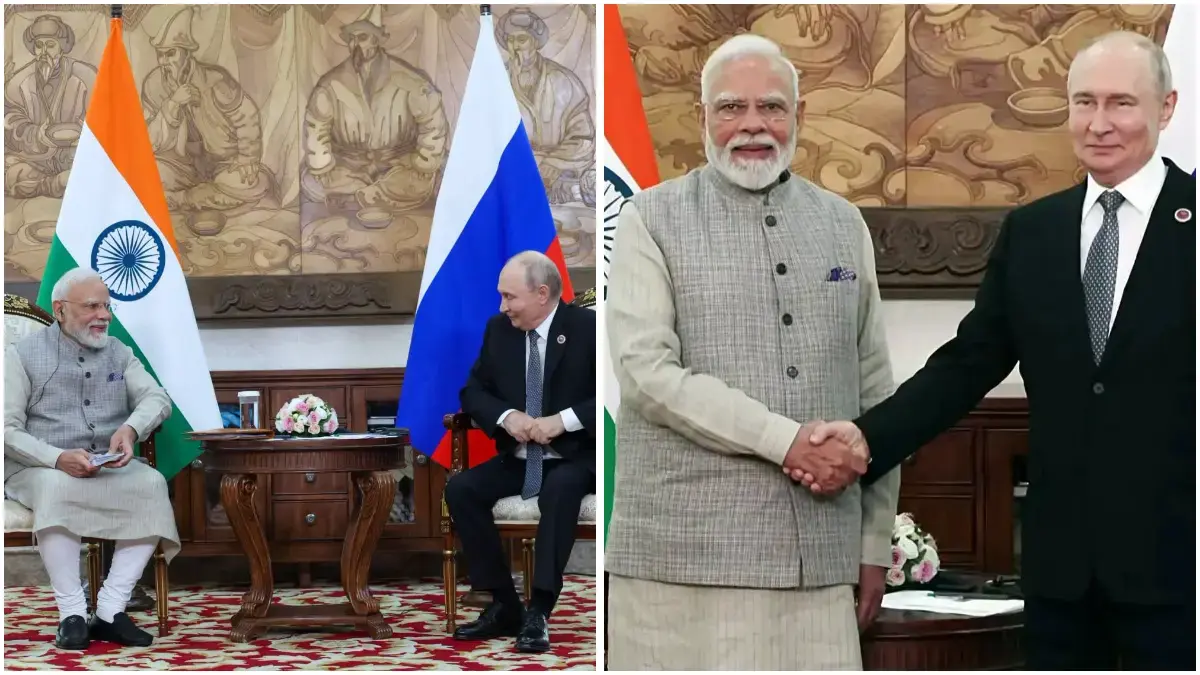
Prime Minister Narendra Modi held bilateral talks with Iranian President Masoud Pezeshkian and Russian President Vladimir Putin during the Bishkek SCO Summit, focusing on the Chabahar Port, INSTC corridors, rectifying India-Russia trade imbalances, and advocating for diplomatic peace in conflict zones.
- PM Modi met Iranian President Pezeshkian and Russian President Putin at the SCO Summit in Bishkek.
- India and Iran reviewed long-term Chabahar Port agreements and INSTC multimodal routes.
- Discussions with Russia targeted reducing the trade deficit by expanding Indian exports.
- PM Modi emphasized diplomatic dialogue for conflict resolution in Ukraine and West Asia.
- The engagements reinforced India's multi-alignment foreign policy.
Bishkek: Reinforcing India's calibrated multi-alignment doctrine on the international stage, Prime Minister Narendra Modi held back-to-back high-stakes bilateral meetings with Iranian President Masoud Pezeshkian and Russian President Vladimir Putin on the sidelines of the Shanghai Cooperation Organisation (SCO) Summit in Bishkek, Kyrgyzstan. The strategic deliberations focused on accelerating strategic transit infrastructure, mitigating regional trade deficits, and reinforcing diplomatic solutions to geopolitical tensions across Eurasia and West Asia.
Bilateral Talks with Iranian President Masoud Pezeshkian
The interaction between PM Modi and President Pezeshkian marked a critical step in operationalizing overland trade transit links across Central Asia:
- Chabahar Port Framework: Both leaders reviewed implementation milestones under the landmark 10-year long-term agreement governing the Shahid Beheshti Terminal at Chabahar Port. They reaffirmed Chabahar as the indispensable anchor enabling unhindered maritime and freight access to Afghanistan and landlocked Central Asian nations.
- INSTC Integration: Talks emphasized scaling multimodal transport logistics along the International North-South Transport Corridor (INSTC) to compress transit turnaround timelines and lower freight overheads.
- West Asia De-escalation & Trade Basket: PM Modi voiced concern over intensifying hostilities in West Asia, advocating for diplomacy and the safety of civilians. Both sides agreed to diversify bilateral trade across non-sanctioned agricultural commodities, pharmaceuticals, and digital public infrastructure.
Bilateral Dialogue with Russian President Vladimir Putin
In his discussion with President Vladimir Putin, Prime Minister Modi evaluated the broad spectrum of the India-Russia Special and Privileged Strategic Partnership:
- Rectifying Bilateral Trade Imbalance: While acknowledging expanding mutual trade turnover, both leaders addressed the deficit arising from heavy energy shipments. President Putin confirmed expanded market access for Indian agricultural produce, pharmaceuticals, marine products, and precision engineering components.
- Strategic Autonomy: PM Modi reiterated that India's partnership with Moscow remains anchored in sovereign priorities and mutual national interests.
- Resolution of Conflict: Reaffirming India's consistent diplomatic position on the Ukraine conflict, Prime Minister Modi stressed that enduring peace must be achieved through sincere dialogue and direct mediation, offering India's constructive support to peace efforts.
Strategic Implications of the Bishkek Engagements
The consecutive meetings with Moscow and Tehran reflect India’s ability to secure critical supply chain security, access Central Asian critical minerals, and maintain sovereign autonomy while championing the stability and economic priorities of the Global South.
Frequently Asked Questions
Ketan
adminPassionate journalist and digital news editor committed to delivering accurate, timely, and fact-checked news.
Related Articles
Latest Articles

Zomato Bans Analogue Dairy Dishes in Nationwide Cr...
Aug 31, 2026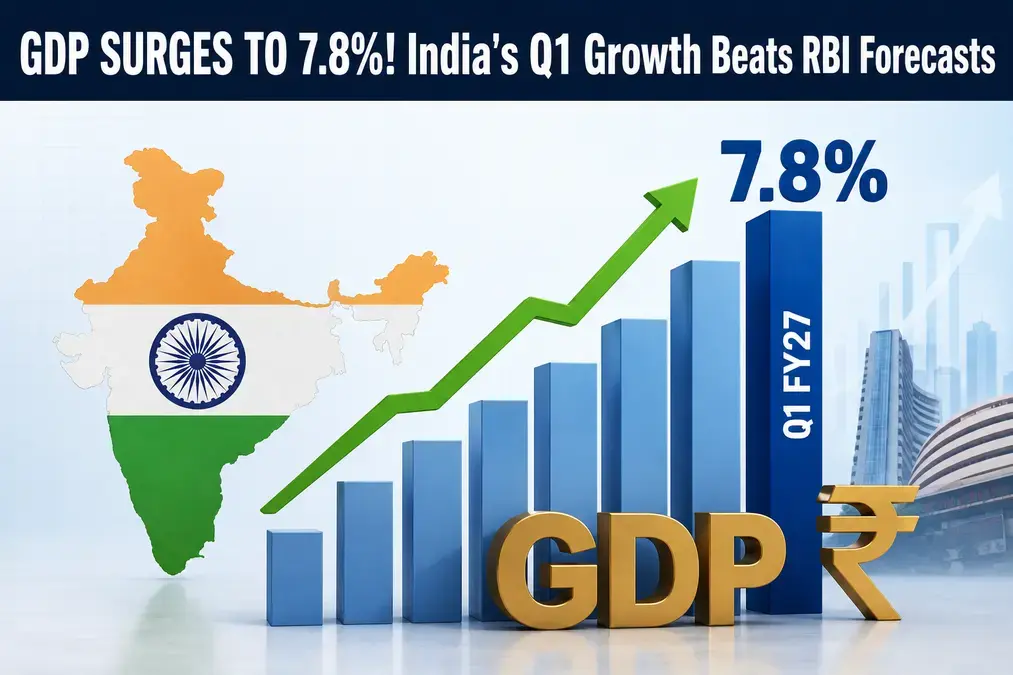
India Q1 GDP FY27 Surges to 7.8% Driven by Capex R...
Aug 31, 2026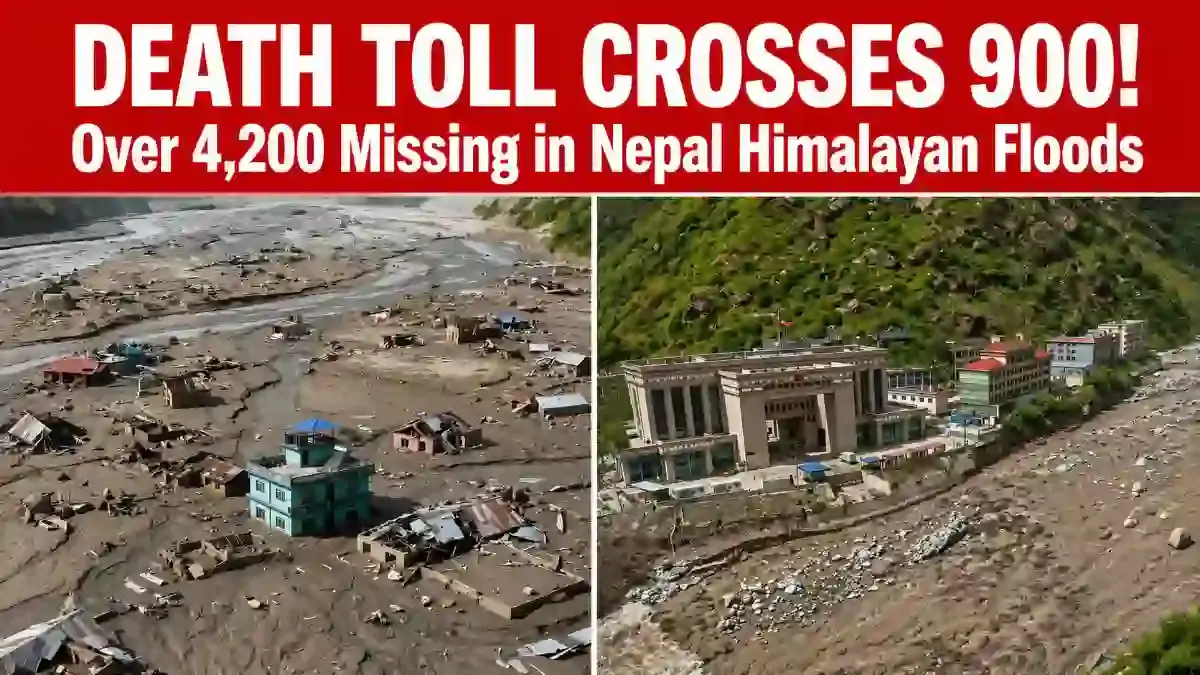
Nepal Flood Death Toll Crosses 900; Over 4,200 Mis...
Aug 31, 2026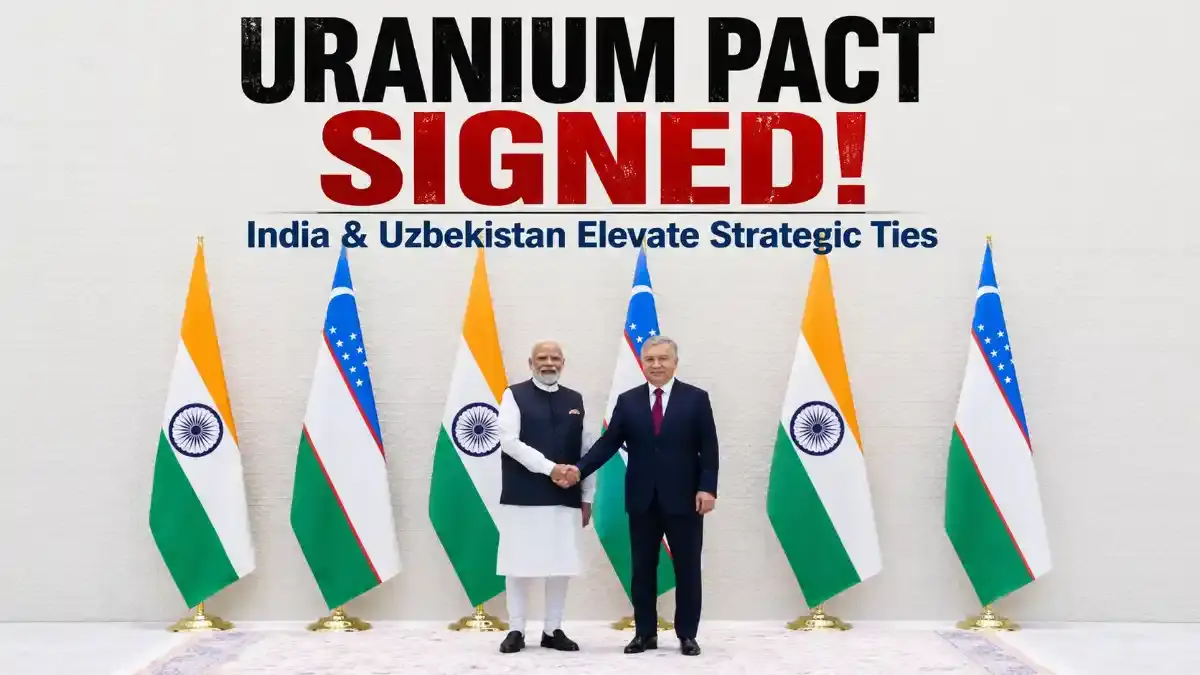
PM Modi Conferred Uzbekistan's Highest Honour 'Ord...
Aug 30, 2026
Comments (0)
Leave a Comment
No comments yet. Be the first to comment!